
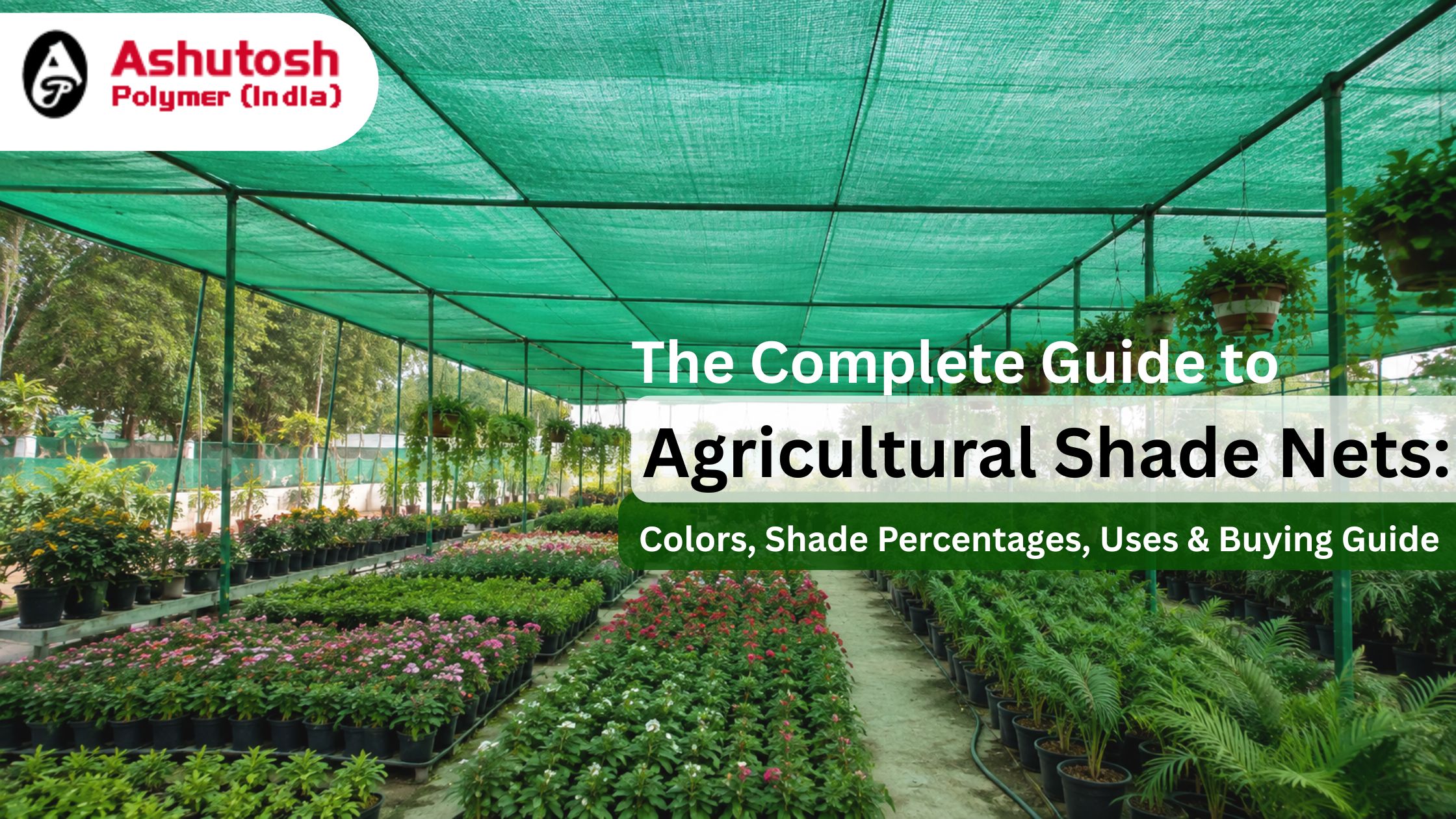
The Complete Guide to Agricultural Shade Nets: Colors, Shade Percentages, Uses & Buying Guide
Successful farming depends on maintaining the right balance of sunlight, temperature, and moisture throughout the growing season. While sunlight is essential for photosynthesis, excessive heat and prolonged UV exposure can negatively affect crop growth, flowering, fruit quality, and overall productivity. Creating a controlled growing environment has therefore become an important part of modern agriculture.
This is where agricultural shade nets provide an effective solution. Designed to regulate sunlight, reduce heat stress, and improve growing conditions, they help protect crops without completely blocking natural light. Today, farmers, greenhouse growers, nursery owners, and gardeners can choose from various options, including green shade net, white shade net, black shade net, blue shade net, red shade net, yellow shade net, and striped multi-color shade net, each designed for specific applications.
Selecting the correct shade net involves more than choosing a color. The right shade net percentage, material quality, and application determine how effectively plants receive sunlight, ventilation, and protection. This guide explains everything you need to know about agricultural shade nets, including different colors, shade percentages, applications, and expert buying tips to help you choose the most suitable solution for your farming, greenhouse, nursery, or gardening requirements.
What Are Agricultural Shade Nets?
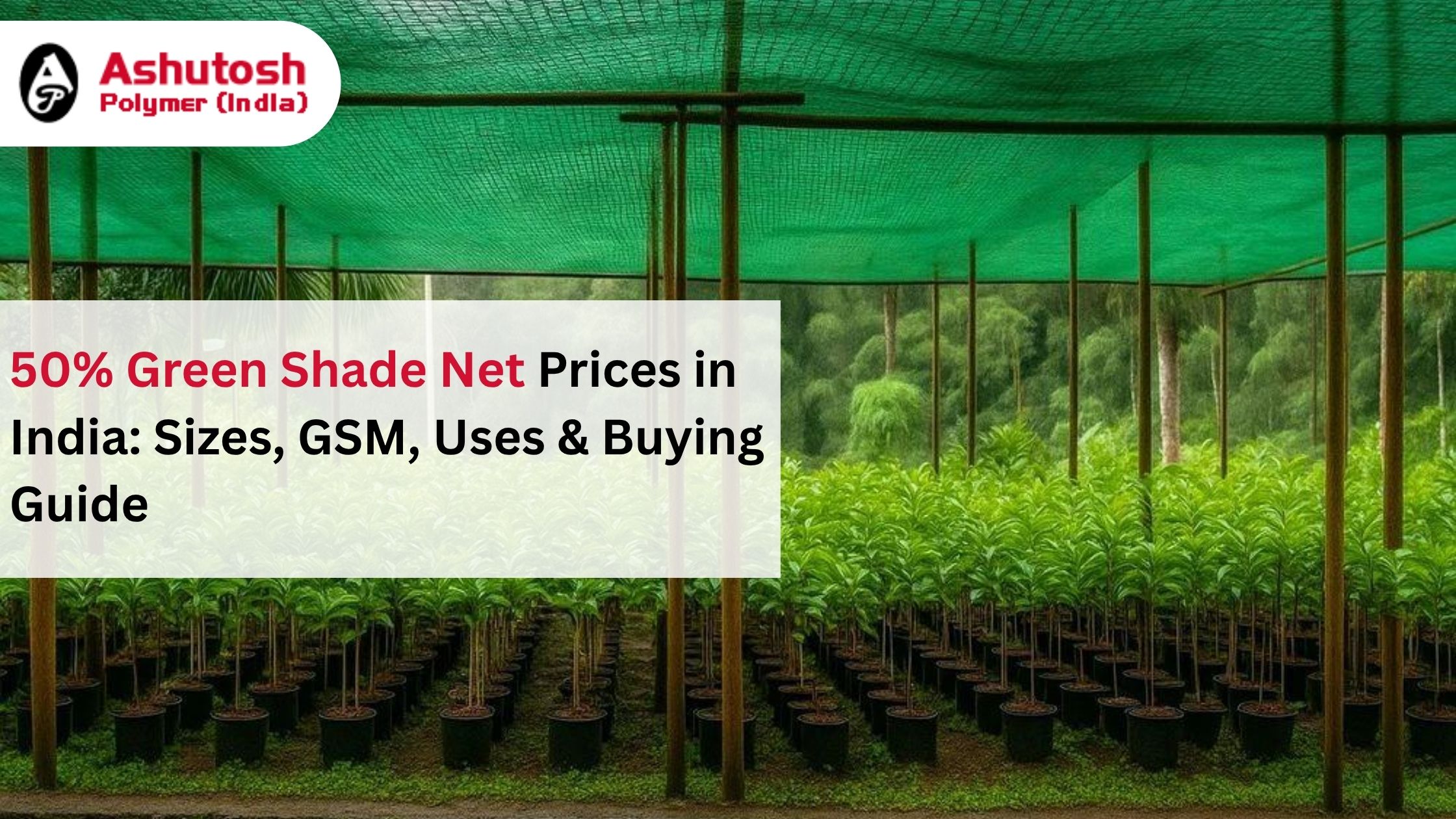
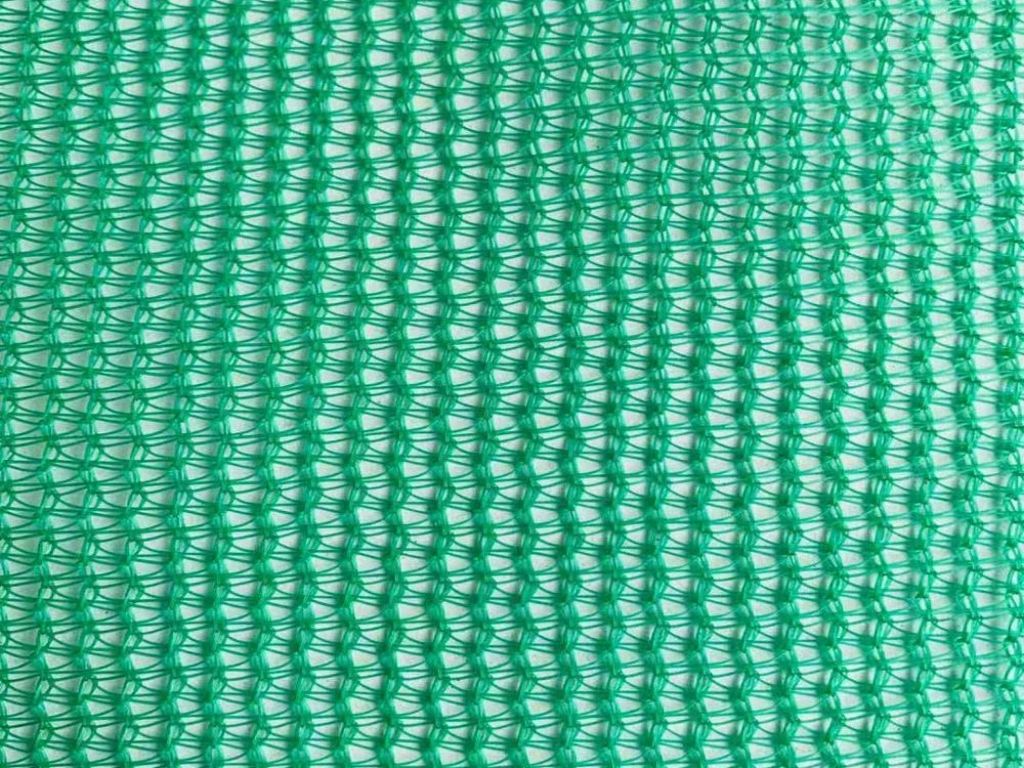
Agricultural shade nets are specially manufactured HDPE (High-Density Polyethylene) knitted fabrics designed to protect crops from excessive sunlight while maintaining adequate airflow and light transmission. Unlike traditional coverings, these UV-stabilized nets create a balanced microclimate that supports healthier plant growth throughout different seasons.
A high-quality agriculture shade net not only protects plants from harsh environmental conditions but also improves moisture retention, reduces water evaporation, and minimizes heat stress. This makes shade nets an ideal choice for vegetable cultivation, fruit orchards, floriculture, nurseries, greenhouses, landscaping projects, and home gardening.
Key Features of Agricultural Shade Nets
- Manufactured using premium UV-stabilized HDPE material.
- Lightweight, flexible, and easy to install.
- Resistant to sunlight, moisture, and weather exposure.
- Available in multiple colors and shade percentages.
- Designed for long-lasting outdoor performance.
- Suitable for commercial farming and residential gardening.
Whether you're looking for greenhouse shade netting, garden shade net, or shade netting for plants, selecting the right product improves crop protection and growing efficiency.
Why Shade Nets Have Become Essential in Modern Agriculture
Climate conditions, crop sensitivity, and water management have made agricultural shade nets an essential farming solution across India. Different crops require different light intensities, and uncontrolled sunlight can lead to reduced productivity and lower-quality harvests.
Installing the right shade net helps create a more stable growing environment by controlling sunlight and reducing excessive heat without restricting ventilation.
Benefits of Agricultural Shade Nets
- Reduce heat stress during hot weather.
- Protect crops from direct UV radiation.
- Maintain balanced growing temperatures.
- Reduce soil moisture evaporation.
- Improve air circulation around plants.
- Support healthier flowering and fruit development.
- Increase crop quality and productivity.
- Lower irrigation requirements through better moisture conservation.
Today, agro shade net products are widely used in commercial farms, shade net nurseries, greenhouses, polyhouses, and landscaping projects because they improve plant health while reducing environmental stress.
How Agricultural Shade Nets Improve Crop Growth
How Agricultural Shade Nets Protect Plants from Heat Stress
Agricultural shade nets reduce direct sunlight and lower the temperature around crops, helping prevent heat stress. They also improve airflow, reduce moisture loss, and protect leaves, flowers, and fruits from sunburn. By creating a balanced growing environment, agricultural shade nets support healthier plant growth and improve crop quality during hot weather.
The primary function of agricultural shade nets is to create an environment where plants receive the right amount of filtered sunlight instead of direct exposure. This controlled environment encourages healthier plant development and minimizes stress caused by extreme weather conditions.
Different crops require varying light levels. Using the correct shade net percentage allows farmers to optimize growing conditions according to crop requirements.
Agricultural Shade Nets Help By:
- Filtering excess sunlight while maintaining natural brightness.
- Reducing leaf scorching and sunburn damage.
- Supporting efficient photosynthesis.
- Maintaining stable temperatures around crops.
- Improving root development through balanced moisture.
- Protecting young seedlings from harsh weather.
- Promoting uniform crop growth and better yields.
From greenhouse shed net installations to green net for garden, green shade net for balcony, and garden shade netting for vegetables, the right shade net contributes significantly to healthier plants and improved agricultural productivity.
Different Types of Agricultural Shade Nets
Not all agricultural shade nets serve the same purpose. Different crops, growing environments, and climate conditions require specific types of shade nets to achieve the best results. Choosing the right agriculture shade net helps improve crop protection, light management, and overall productivity.
The most commonly used shade nets include:
-
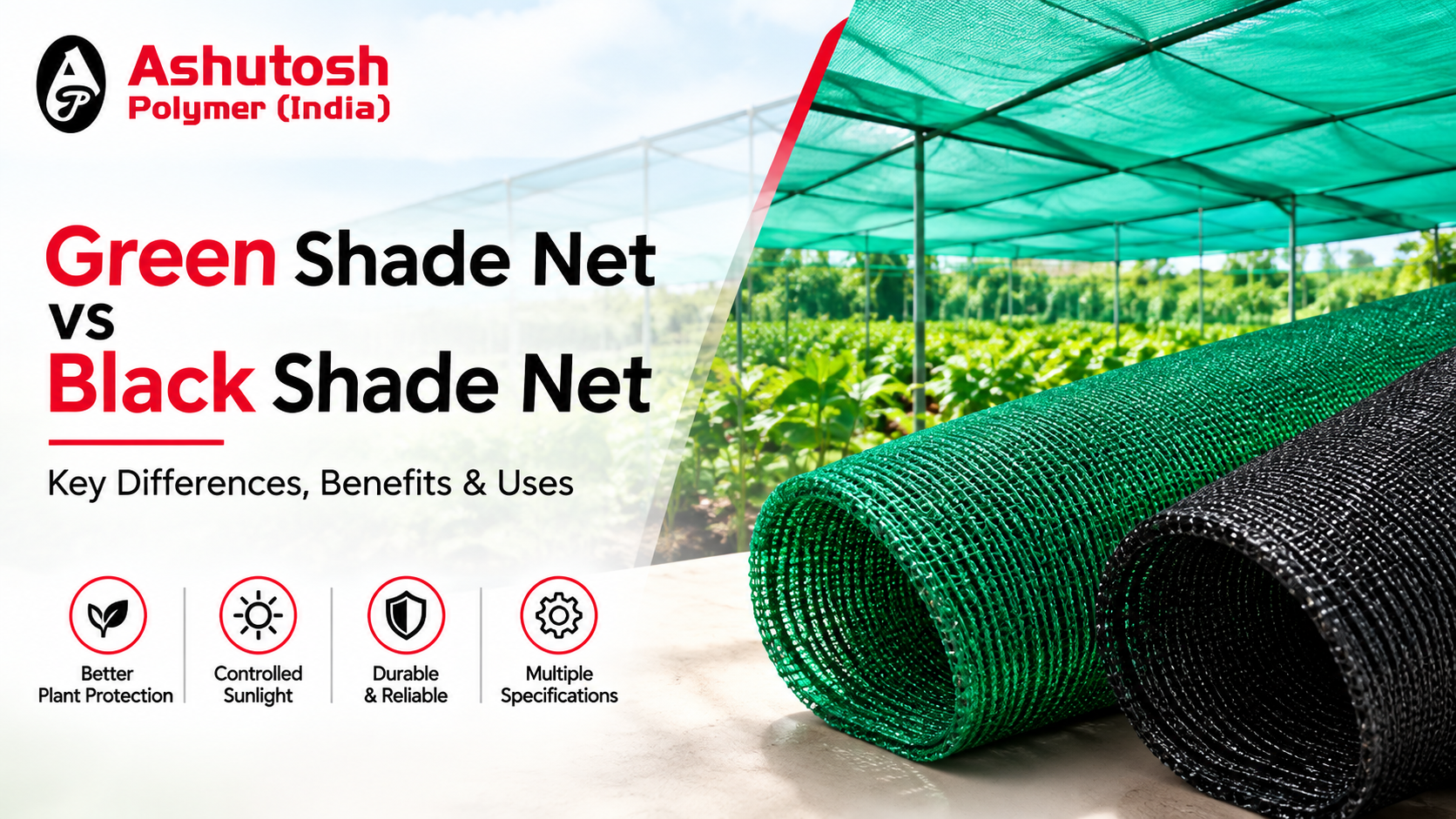
Green Shade Net – Ideal for general farming, nurseries, home gardens, and landscaping.
-
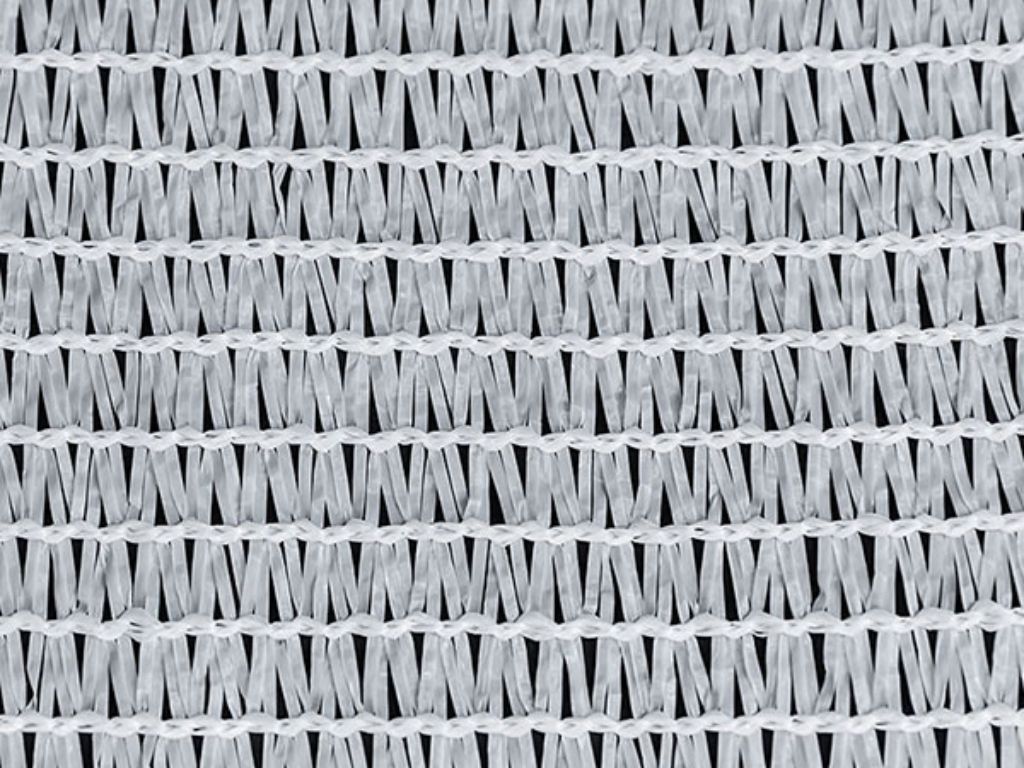
White Shade Net – Provides diffused sunlight, making it suitable for greenhouses, flower cultivation, and delicate plants.
-
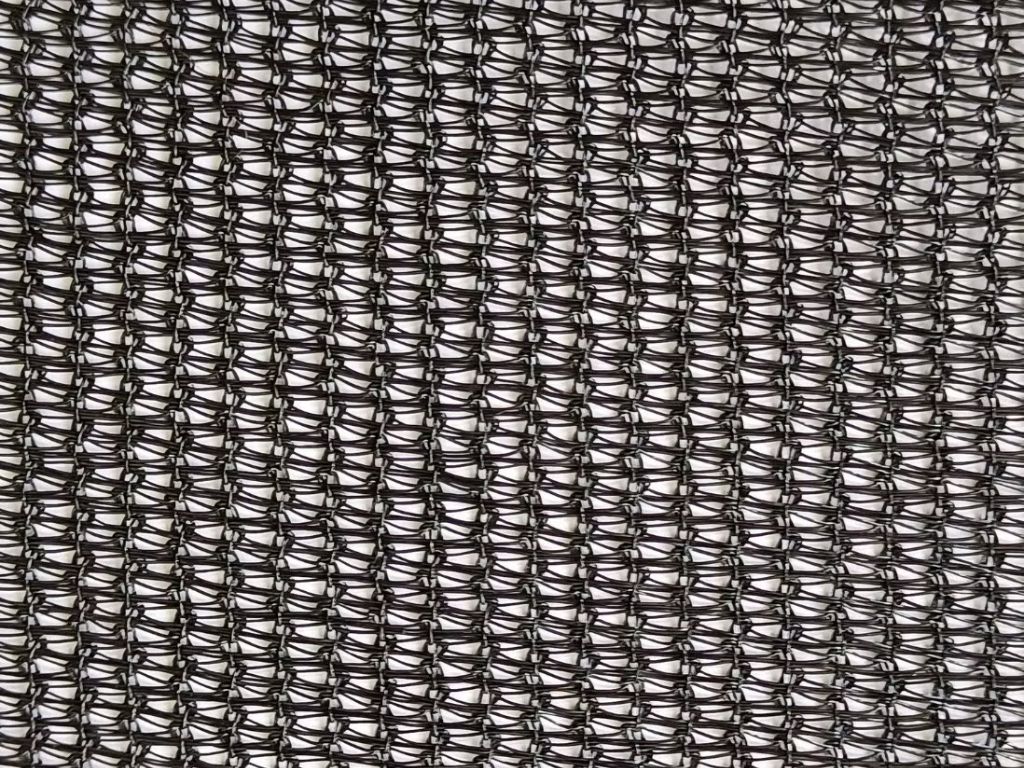
Black Shade Net – Offers maximum shade and is commonly used in parking areas, livestock shelters, warehouses, and high-temperature regions.
-
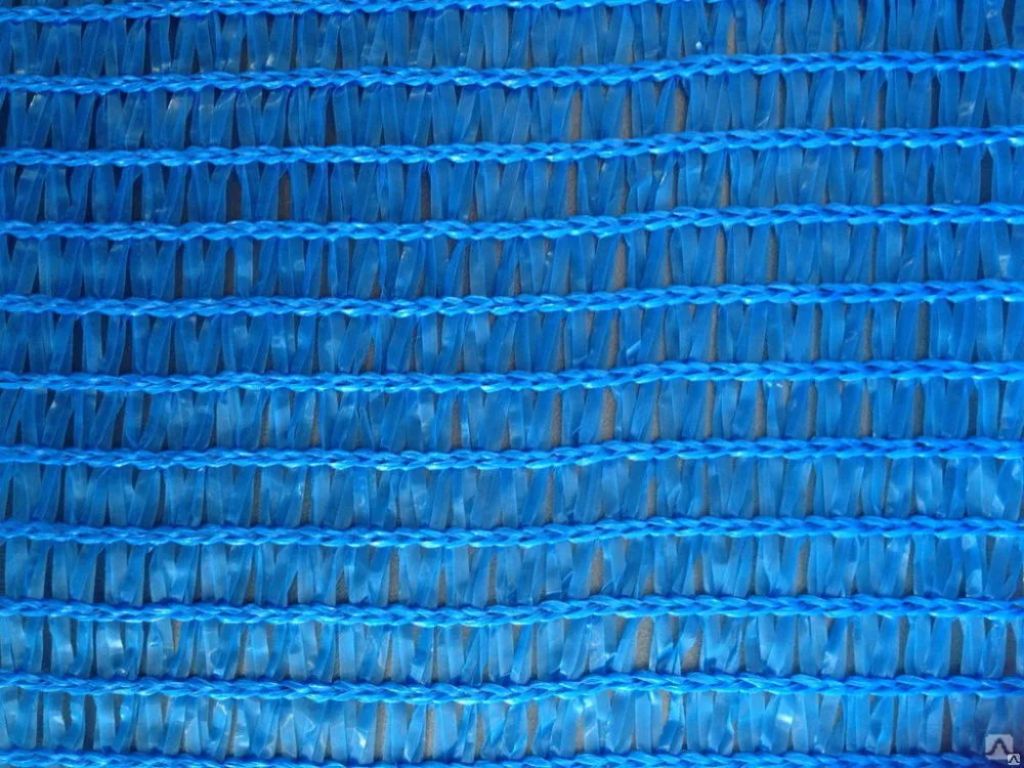
Blue Shade Net – Helps maintain balanced humidity and is suitable for ornamental plants and floriculture.
-
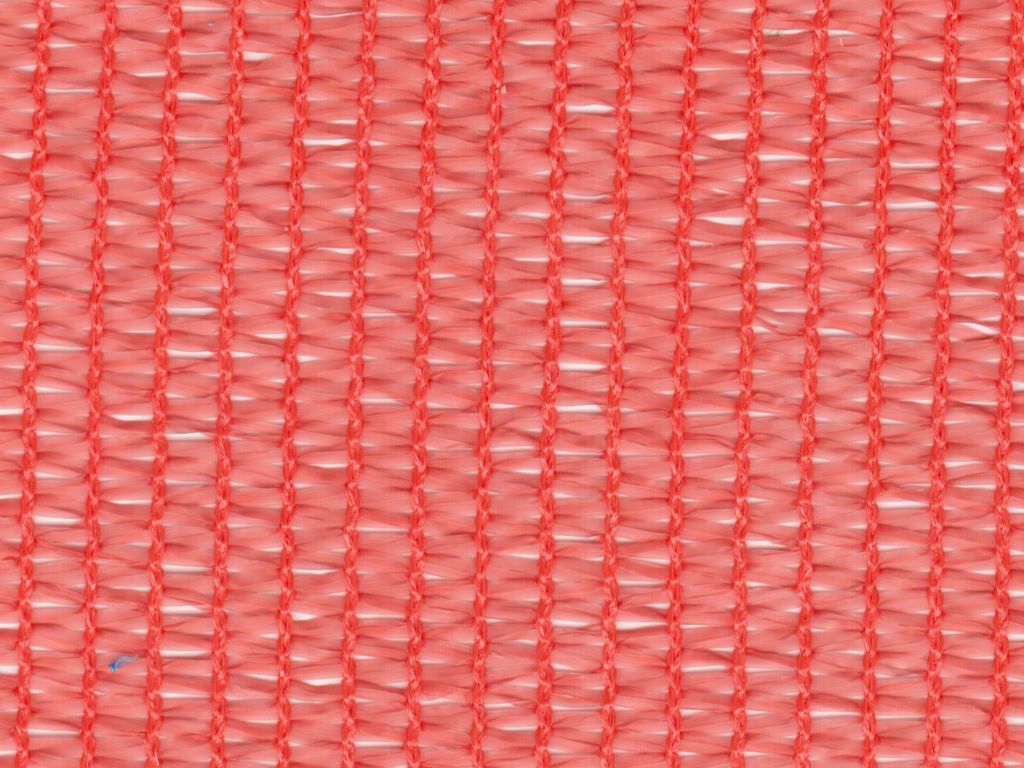
Red Shade Net – Supports flowering and enhances plant development for selected horticultural crops.
-
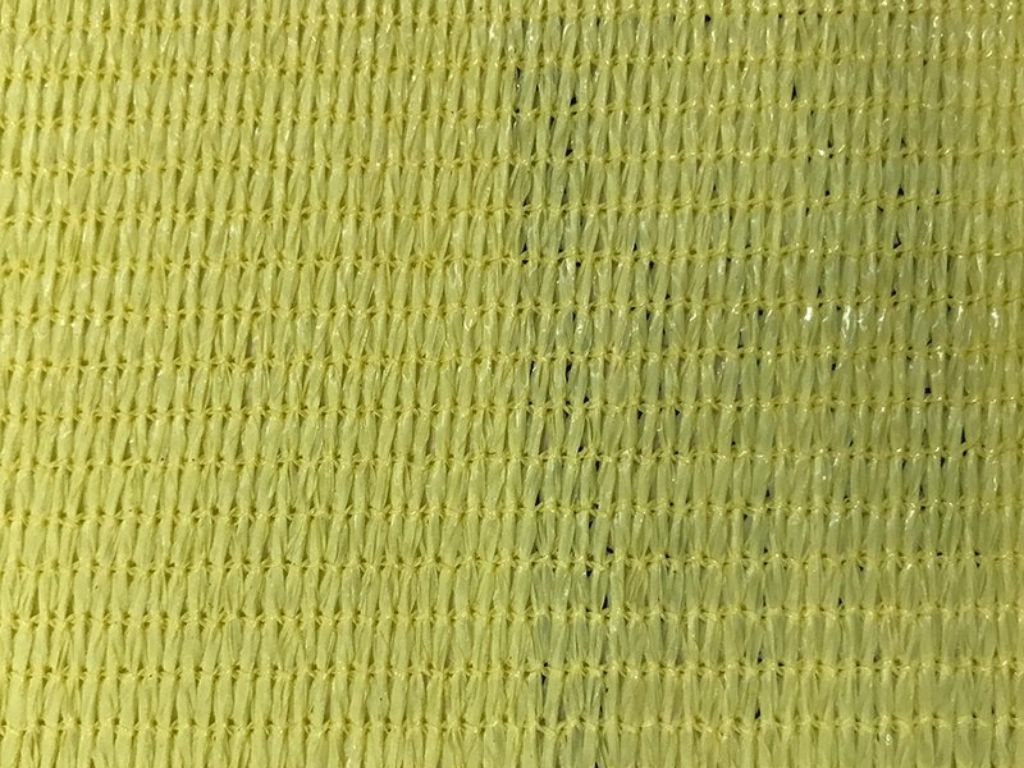
Yellow Shade Net – Improves visibility and is often used in nurseries and specialized agricultural applications.
-
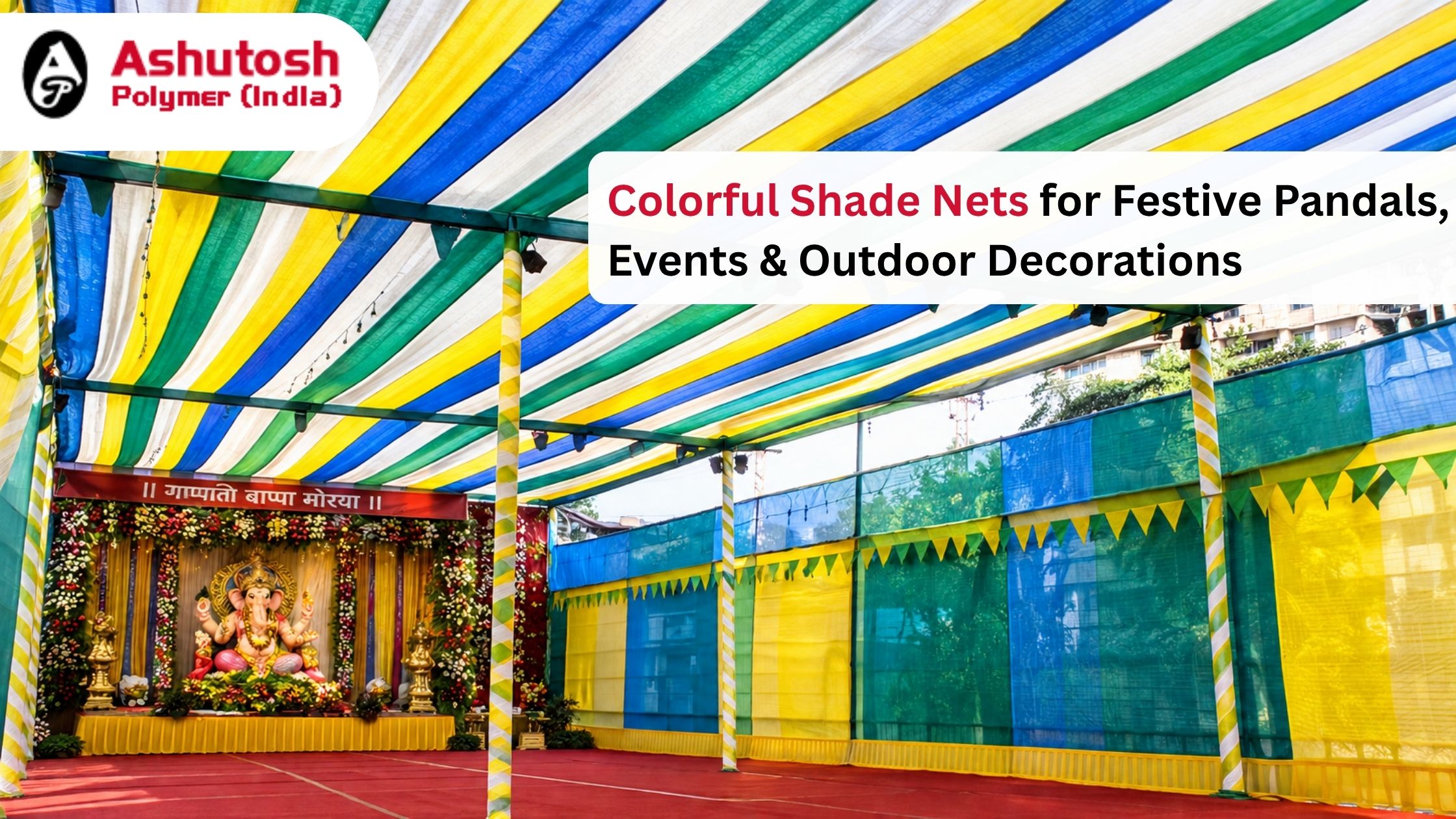
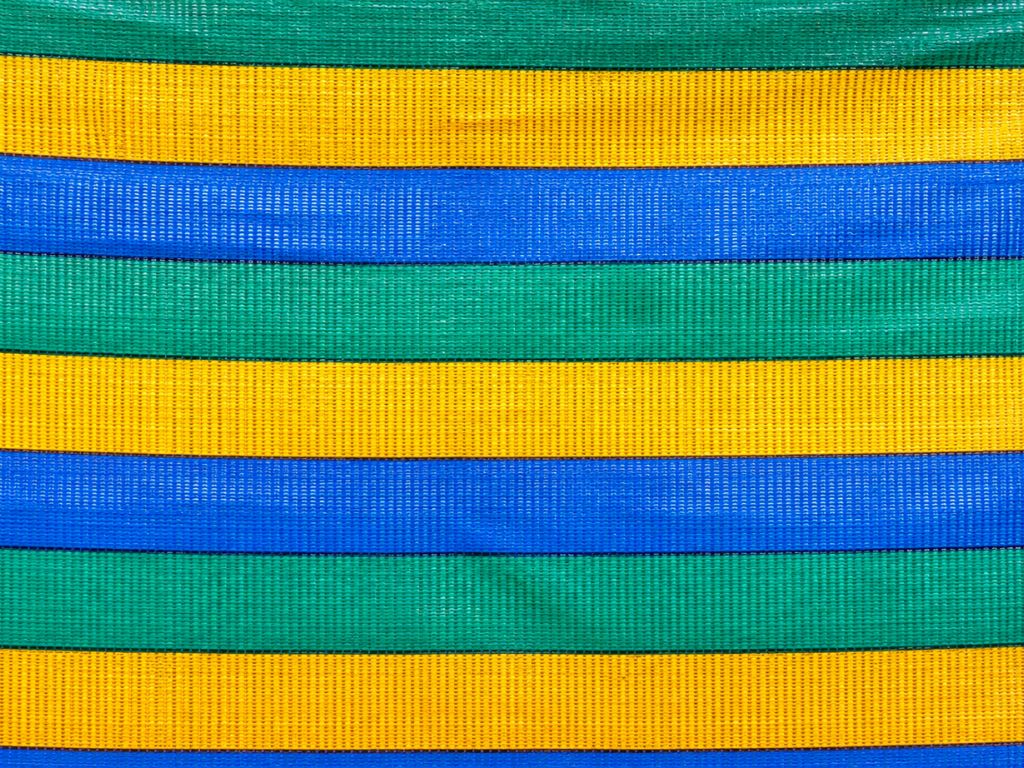
Striped Multi-Color Shade Net – Combines multiple color properties to provide balanced light diffusion, attractive appearance, and versatile performance for commercial farming, nurseries, and landscaping.
These options are available as greenhouse shade netting, garden shade net, shade netting for plants, and agricultural shade netting, depending on the intended application.
Understanding Shade Net Colors: Which Color Is Best for Your Needs?
One of the most common questions among farmers is:
Which shade net color is best for plants?
The answer depends on the crop, growing environment, and sunlight requirements. Each color filters sunlight differently, influencing plant growth, temperature, and humidity.
Shade Net Color Comparison
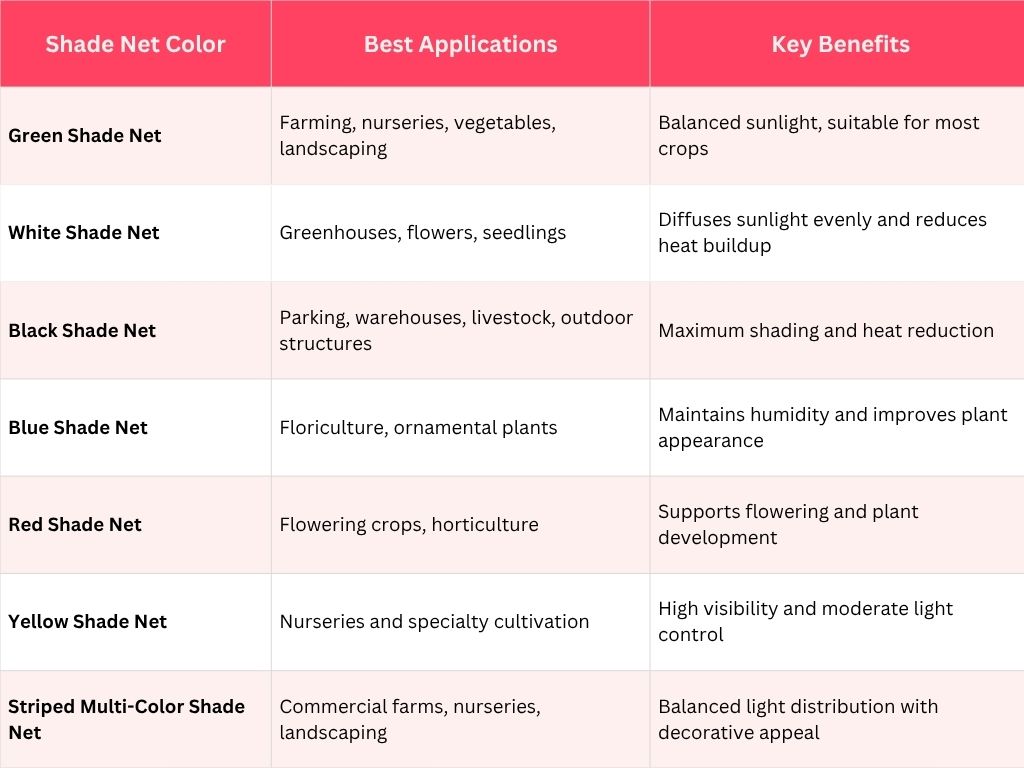
Selecting the appropriate shade net color ensures better crop health while reducing environmental stress.
How Different Shade Net Colors Affect Plant Growth
Shade net colors do more than provide shade—they influence the amount and quality of light reaching plants.
- Green Shade Net promotes balanced vegetative growth and is suitable for most agricultural applications.
- White Shade Net allows soft, diffused light that supports healthy seedlings and greenhouse cultivation.
- Black Shade Net significantly lowers heat intensity and protects plants in regions with strong sunlight.
- Blue Shade Net creates a cooler environment with improved humidity control.
- Red Shade Net enhances light quality for certain flowering and ornamental crops.
- Yellow Shade Net is preferred where better visibility and moderate shading are required.
- Striped Multi-Color Shade Net provides an effective combination of light filtration and attractive appearance, making it ideal for commercial landscapes and modern farming projects.
Understanding these differences helps farmers select the right green net for garden, green shade net for balcony, or commercial agro shade net according to crop requirements.
Understanding Shade Percentages and Their Importance
Besides color, selecting the correct shade net percentage is one of the most important factors in successful crop cultivation.
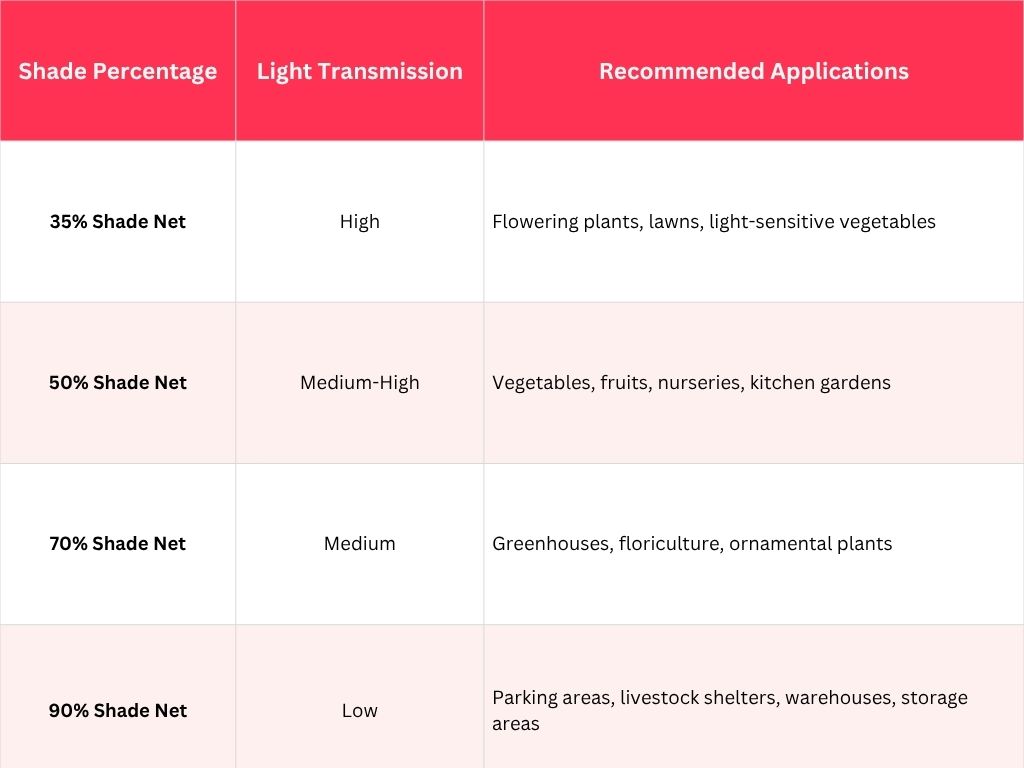
Shade percentage indicates how much sunlight is blocked by the net.
What are the best shade net percentages for different crops?
Shade Percentage Guide
How to Choose the Right Shade Percentage
- 35% Shade Net – Suitable where crops require more natural sunlight.
- 50% Shade Net – One of the most versatile choices for vegetable farming and home gardening.
- 70% Shade Net – Ideal for greenhouse cultivation, nurseries, and ornamental plants.
- 90% Shade Net – Recommended for applications requiring maximum protection from direct sunlight rather than crop production.
Selecting the correct shade percentage helps improve plant growth, conserve water, and create a healthier growing environment.
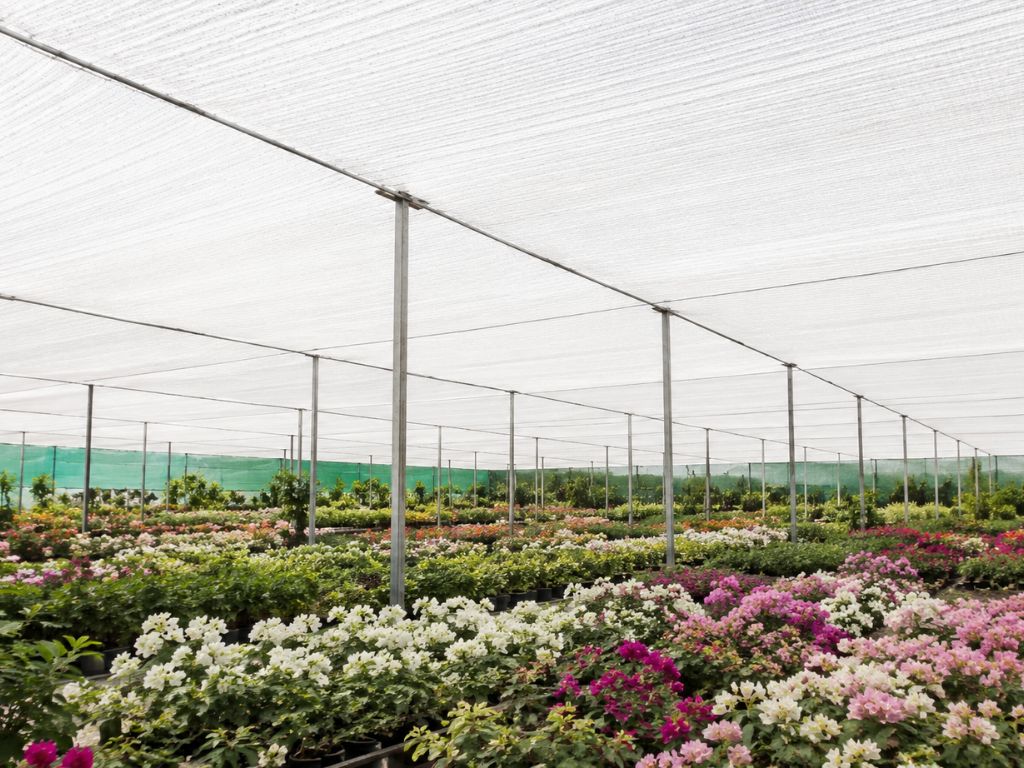
Choosing the Right Shade Net Based on Crop Type
Different crops require different levels of sunlight, making it essential to match the agricultural shade net with the specific crop.
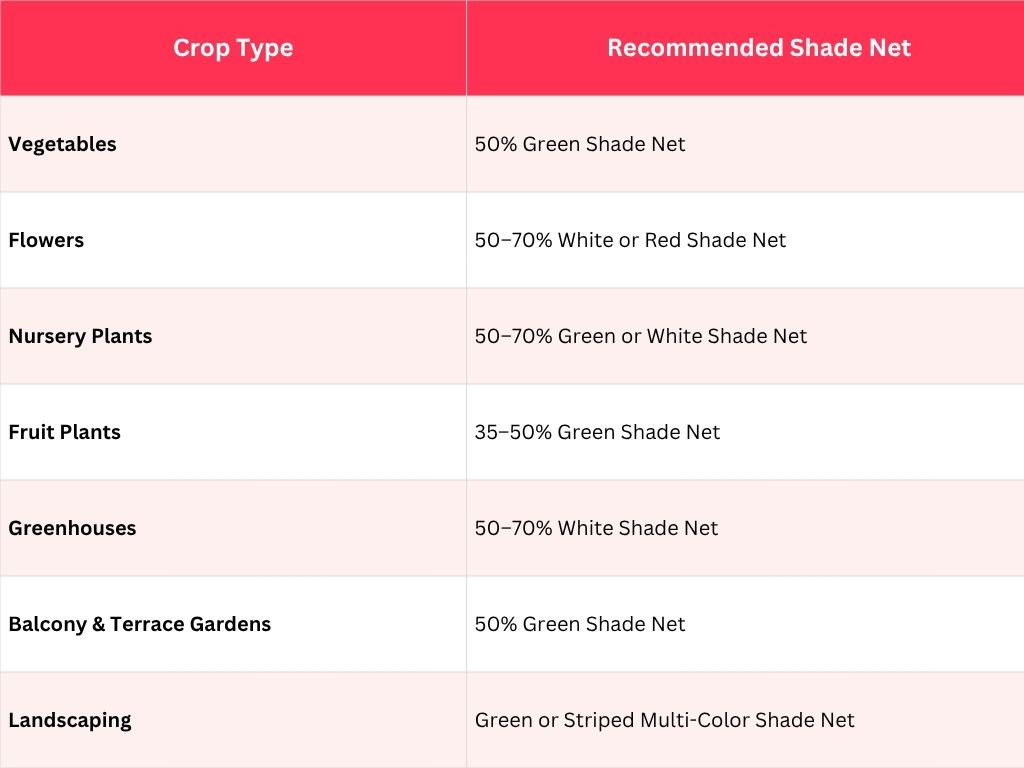
By selecting the right combination of shade net colors, shade percentages, and crop requirements, farmers can maximize productivity while protecting plants from excessive heat and sunlight.
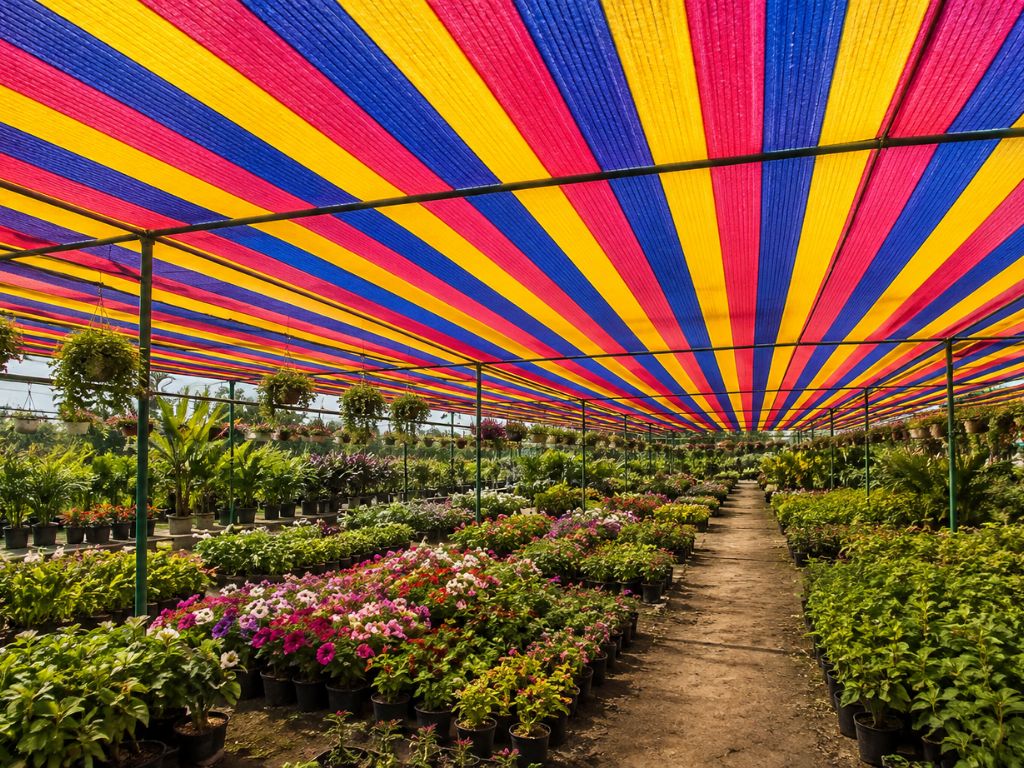
Agricultural Shade Nets for Greenhouses, Nurseries, and Gardens
The versatility of agricultural shade nets makes them suitable for a wide range of growing environments. From commercial farms to home gardens, choosing the right shade net improves crop protection, controls sunlight, and creates favorable growing conditions.
Different cultivation methods require different levels of shade, ventilation, and temperature control. Selecting the appropriate greenhouse shade netting, garden shade net, or shade netting for plants ensures healthier plants and higher productivity.
Common Applications
- Greenhouses: Regulates temperature, reduces heat stress, and protects sensitive crops from excessive sunlight.
- Nurseries: Creates an ideal environment for seed germination and young plant development using shade net nursery solutions.
- Vegetable Farming: Supports healthy vegetable growth by reducing direct sunlight while maintaining sufficient light for photosynthesis.
- Fruit Orchards: Helps protect fruits from sunburn and excessive heat.
- Flower Cultivation: Improves flower quality by maintaining balanced growing conditions.
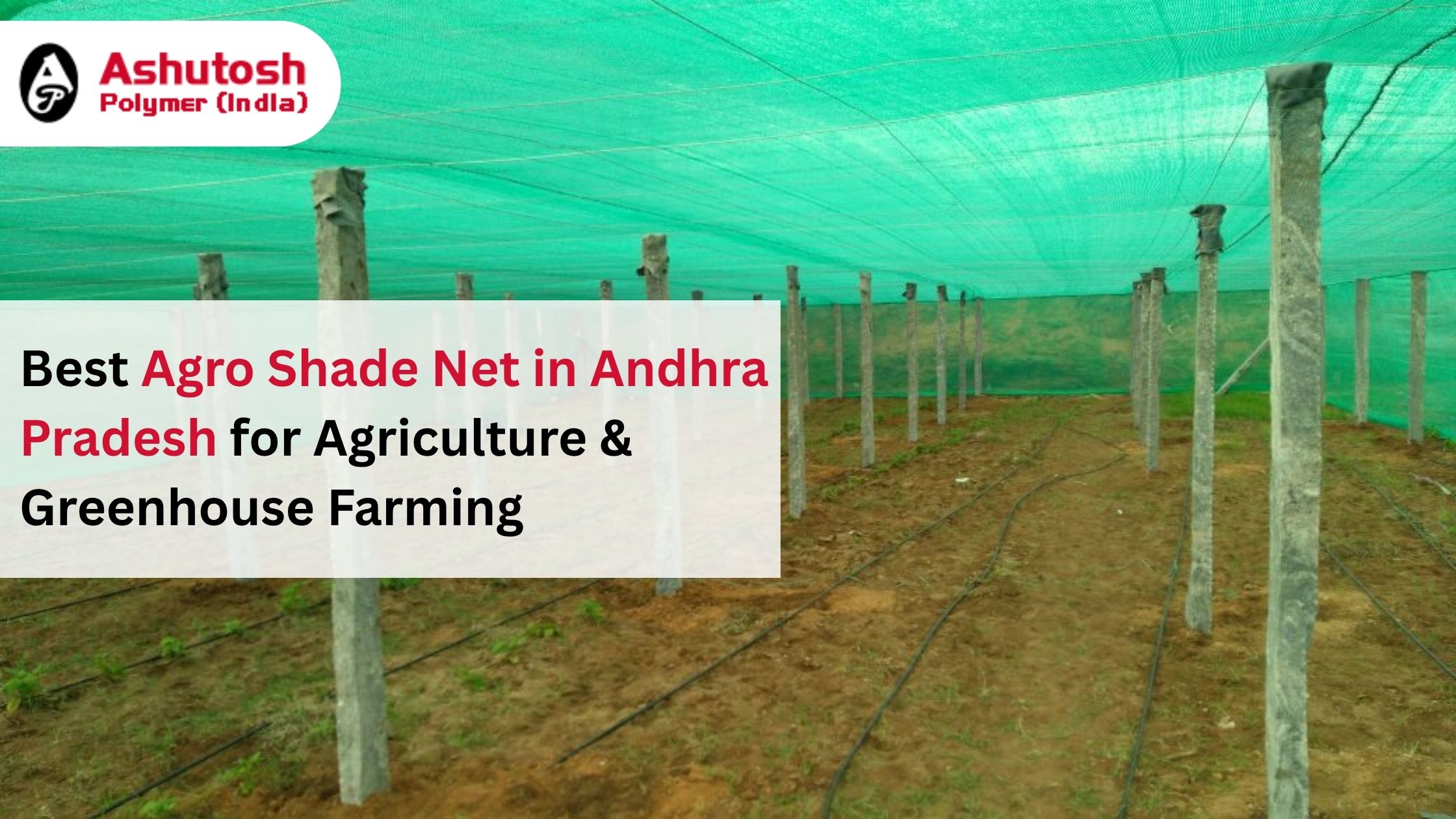
- Home Gardens & Kitchen Gardens: Suitable for green net for garden installations that protect vegetables and ornamental plants.
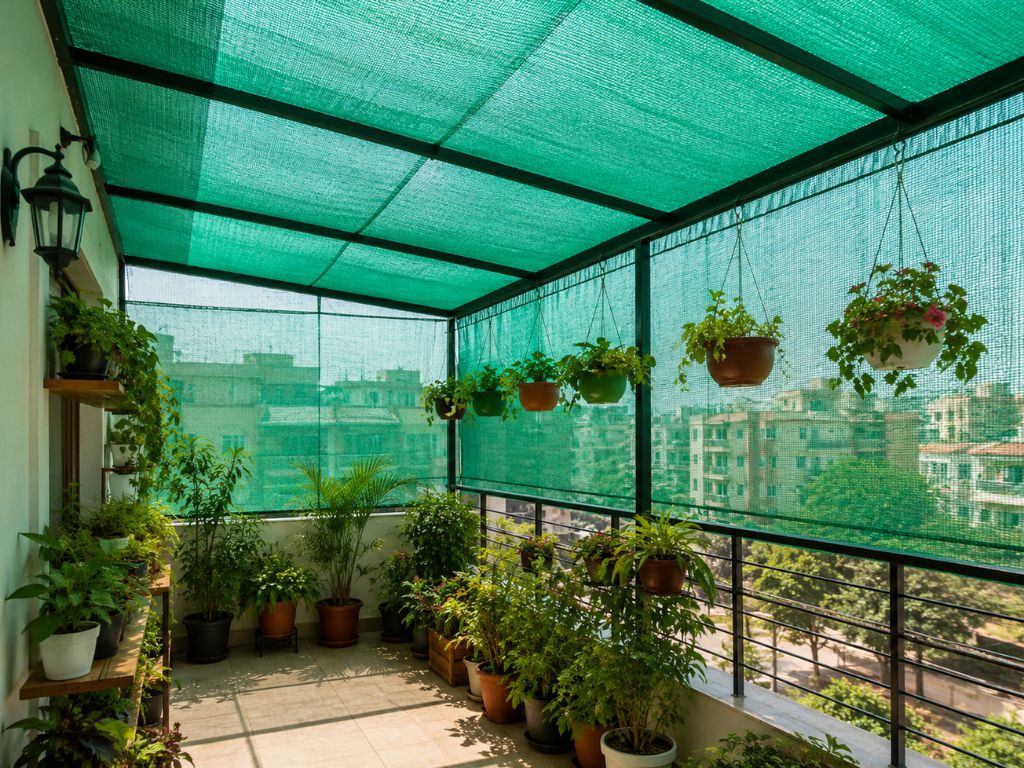
Agricultural Shade Nets for Landscaping, Balcony & Commercial Spaces
Beyond agriculture, agricultural shade nets are widely used in residential and commercial applications. Their durability, UV resistance, and attractive appearance make them suitable for various outdoor environments.
Popular applications include:
- Green shade net for balcony to create comfortable outdoor spaces.
- Green shade net for terrace garden for rooftop plantations.
- Landscaping projects requiring decorative and functional shading.
- Commercial nurseries and garden centers.
- Parking areas and vehicle protection.
- Outdoor seating spaces and recreational areas.
- Construction site safety barriers.
- Livestock shelters and storage areas.
For aesthetic installations, striped multi-color shade net is increasingly preferred because it combines effective shade with an attractive appearance.
Factors to Consider Before Buying Agricultural Shade Nets
Choosing the right agricultural shade nets involves more than selecting a color. Several factors influence the net's long-term performance and suitability for specific crops.
Before purchasing, consider:
- Shade percentage according to crop requirements.
- Appropriate GSM for strength and durability.
- UV-stabilized HDPE material.
- Weather resistance.
- Crop type and cultivation method.
- Installation location.
- Expected lifespan.
- Warranty and product quality.
- Reliable shade net manufacturer with industry experience.
If you're comparing shade net price or green net price, remember that long-lasting quality often provides better value than choosing the lowest-cost option.
Where Can I Find Reviews for Top-Rated Shade Net Suppliers?
Before choosing a shade net manufacturer, check verified customer reviews, product specifications, industry experience, and after-sales support. Reading customer feedback helps you compare product quality, durability, and supplier reliability before making a purchase.
Common Mistakes to Avoid When Choosing a Shade Net
Many buyers focus only on price, which can lead to poor crop performance and higher replacement costs.
Avoid these common mistakes:
- Selecting the wrong shade percentage.
- Ignoring GSM and material quality.
- Choosing non-UV-stabilized products.
- Using the same shade net for every crop.
- Buying without considering local climate conditions.
- Purchasing from unverified shade net manufacturers in India.
Understanding shade net colors and uses before making a purchase helps ensure better crop protection and long-term performance.
How to Maintain Agricultural Shade Nets for Long-Term Performance
Proper maintenance extends the life of agricultural shade nets and ensures consistent performance.
How to Install Agricultural Shade Nets Effectively on Farms
Maintenance Tips
- Clean dust and debris regularly.
- Inspect for tears or damaged sections.
- Avoid excessive tension during installation.
- Store unused nets in a dry place.
- Prevent contact with sharp objects.
- Check support structures periodically.
Routine maintenance keeps greenhouse shed net, garden shade net, and commercial installations performing efficiently for years.
Why Choose Ashutosh Polymer for Agricultural Shade Nets?
As a leading shade net manufacturer and agriculture shade net manufacturer, Ashutosh Polymer delivers premium-quality shade net solutions designed for Indian farming conditions.
Why Customers Choose Ashutosh Polymer
- Premium UV-stabilized HDPE raw materials.
- Advanced manufacturing technology.
- Available in multiple colors and shade percentages.
- High-strength knitted construction.
- Long-lasting outdoor durability.
- Suitable for farming, greenhouses, nurseries, landscaping, and commercial applications.
- Consistent quality and reliable product performance.
- Trusted shade net manufacturer in India serving customers across the country.
Whether you need green shade net, white shade net, black shade net, yellow shade net, or striped multi-color shade net, Ashutosh Polymer offers solutions tailored to diverse agricultural and commercial requirements.
With a strong focus on quality, durability, and customer satisfaction, Ashutosh Polymer supplies premium agricultural shade nets suitable for diverse farming conditions across Gujarat, Rajasthan, Maharashtra, Madhya Pradesh, Kerala, Karnataka, Telangana, Tamil Nadu, and other regions of India.
Conclusion
Selecting the right agricultural shade nets is essential for improving crop health, reducing heat stress, and creating an ideal growing environment. From choosing the correct color and shade percentage to selecting the appropriate GSM and application, every factor contributes to better plant growth and long-term productivity.
Whether you're managing a greenhouse, nursery, vegetable farm, fruit orchard, landscaping project, or home garden, investing in high-quality shade nets helps protect your crops while improving overall efficiency. By partnering with a trusted shade net manufacturer in India like Ashutosh Polymer, you gain access to durable, UV-stabilized shade net solutions designed to meet modern agricultural requirements.
Where to Buy Durable Agricultural Shade Nets Online?
Looking for reliable agricultural shade nets for your farm, greenhouse, nursery, or landscaping project?
Choosing the right manufacturer is just as important as selecting the right shade net. If you'd like to compare manufacturers before making your purchase, you can also read our blog, "Top Shade Net Manufacturers in Gujarat," where we discuss what to look for in a reliable manufacturer and why product quality, UV stabilization, and manufacturing standards matter.
Ashutosh Polymer offers premium-quality green shade net, greenhouse shade netting, garden shade net, and customized shade net solutions in multiple colors, GSM options, and shade percentages to suit every application.
Frequently Asked Questions
1. Which shade net color is best for plants?
The ideal color depends on the crop. Green shade net is suitable for general agriculture, while white shade net is preferred for greenhouses and seedlings.
2. What is the best shade percentage for agriculture?
A 50% shade net (75 GSM) is commonly used for vegetables and nurseries, while a 70% shade net (90 GSM) is suitable for greenhouses and ornamental plants.
3. What is GSM in agricultural shade nets?
GSM (Grams per Square Meter) indicates the weight and density of the shade net. Higher GSM generally provides greater strength, durability, and longer service life.
4. Can agricultural shade nets reduce heat stress?
Yes. High-quality agricultural shade nets filter excess sunlight, reduce temperature, and improve airflow, helping protect crops from heat stress.
5. Where can I buy high-quality agricultural shade nets?
You can purchase premium agricultural shade nets directly from Ashutosh Polymer, a trusted shade net manufacturer in India, offering multiple colors, GSM options, and shade percentages for various agricultural and commercial applications.