
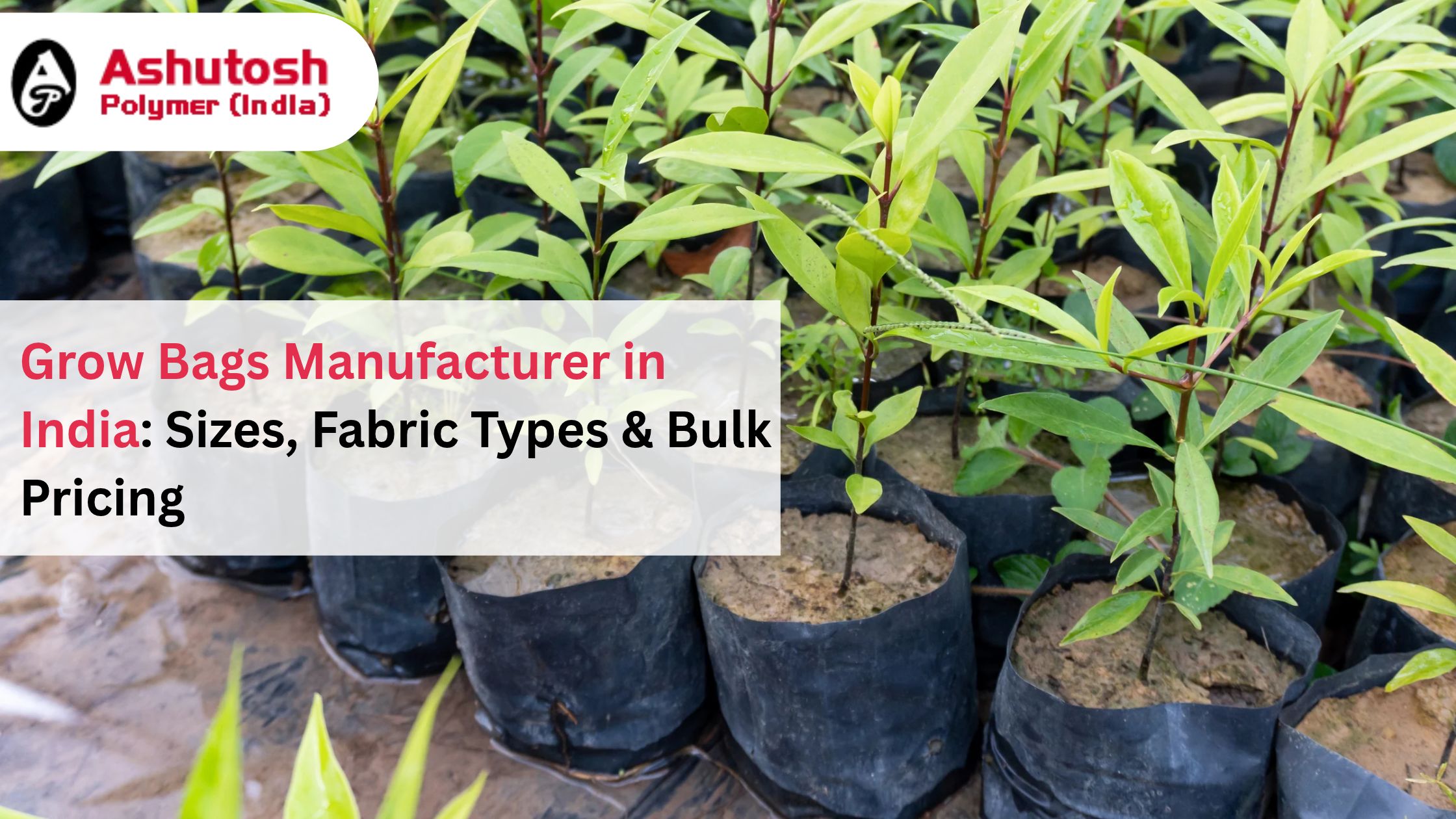
Grow Bags Manufacturer in India: Sizes, Fabric Types & Bulk Pricing
Grow bags have become a popular choice for growing vegetables, fruits, flowers, and ornamental plants in homes, nurseries, greenhouses, and commercial farms. They offer a flexible alternative to traditional pots and garden beds, especially where gardening space is limited. From terrace gardens in urban areas to large-scale agricultural applications, grow bags make planting and plant management more convenient.
Choosing the right grow bag depends on factors such as material, size, fabric quality, drainage, and intended use. If you are searching for a grow bags manufacturer in India, understanding these specifications can help you select suitable products for retail, gardening projects or bulk requirements.
What Are Grow Bags and How Are They Used?
Grow bags are flexible containers designed to hold growing media such as soil, cocopeat, and compost. They provide space for plant roots to develop while allowing excess water to drain through suitable drainage openings or fabric.
Unlike conventional pots, grow bags are generally lightweight and easy to move. They are commonly used for:
- Growing vegetables such as tomatoes, chillies, brinjal, and leafy greens.
- Cultivating flowers and ornamental plants.
- Setting up terrace and balcony gardens.
- Raising plants in nurseries and greenhouses.
- Growing selected crops in commercial gardening projects.
Their flexibility makes them useful for both beginners and experienced growers.
Types of Grow Bags Available in India
Grow bags are available in different materials to suit various gardening and agricultural requirements. The right option depends on the growing environment, expected usage and product specifications.
1. HDPE Grow Bags
High-density polyethylene (HDPE) is a commonly used plastic material for manufacturing grow bags. HDPE-based products can be suitable for different gardening applications, depending on their construction, thickness, and quality.
2. UV Stabilized Grow Bags
UV-stabilized grow bags are designed for outdoor use where products are exposed to sunlight. UV stabilization can help reduce material degradation caused by prolonged exposure to ultraviolet radiation. Buyers should check the manufacturer's stated UV specifications before purchasing.
3. Non-Woven Grow Bags
Non-woven fabric grow bags are flexible containers used for growing vegetables, flowers, and other plants. Their fabric construction can support drainage and airflow, depending on the material and design.
4. Fabric Grow Bags
Fabric grow bags are used in home gardening, nurseries, and selected commercial growing applications. They are available in different sizes and fabric specifications to accommodate different plant types.
Grow Bag Sizes and Specifications
Grow bag size plays an important role in determining how much growing medium a container can hold and which plants it can accommodate. Smaller bags are generally suitable for herbs and compact plants, while larger options provide more room for crops with extensive root systems.
Common buying considerations include:
- Dimensions: Check the length, width, and height according to your planting requirements.
- Material: Compare HDPE, non-woven, and other available fabric options.
- Fabric quality: Review the material thickness and construction.
- Drainage: Ensure the design allows excess water to escape.
- Colour: Check available colours and their suitability for your application.
Before placing a bulk order, confirm the available sizes and specifications directly with the manufacturer.
Common Materials Used in Grow Bag Manufacturing
The material used in grow bag manufacturing influences product strength, flexibility, drainage, and outdoor performance.
HDPE is used in plastic-based grow bag products, while non-woven and other fabric materials are used for fabric-style containers. UV-stabilized materials may be considered for applications involving regular outdoor sunlight exposure.
There is no single material that suits every growing requirement. For example, a terrace gardener may prioritize lightweight handling and drainage, while a nursery or commercial buyer may focus on consistent dimensions, material quality, and bulk availability.
Benefits of Using Grow Bags for Gardening and Agriculture
Grow bags offer several practical advantages for different planting environments.
- Space efficiency: They can be arranged on terraces, balconies, patios and other limited spaces.
- Easy handling: Their flexible construction can make them easier to move than many rigid containers.
- Drainage: Suitable drainage helps prevent excess water from collecting around plant roots.
- Versatile applications: They can be used for vegetables, flowers, herbs and nursery plants.
- Different size options: Buyers can select capacities according to plant type and growing requirements.
- Convenient storage: Empty flexible grow bags can generally be stored without taking up the space required by rigid pots.
Actual performance depends on the material, design, growing medium and usage conditions.
How to Choose the Right Grow Bag Size and Fabric
Before buying grow bags, consider the type of plants you intend to grow and the conditions in which the bags will be used.
For herbs and smaller plants, compact grow bags may be sufficient. Vegetables such as tomatoes and brinjal generally need more growing space than smaller leafy plants. Larger plants may require deeper or wider containers, depending on their root development.
Also consider whether the grow bags will be placed indoors, on a terrace, in a greenhouse or in an open agricultural area. For outdoor applications, ask about UV stabilization and material suitability.
If you are purchasing for a nursery, distributor or commercial project, request product samples or specifications before confirming a large order.
Factors Affecting Grow Bags Bulk Pricing in India
The grow bags price in India depends on several product and order-related factors. There is no fixed price for every type of grow bag.
Key pricing factors include:
- Material type: HDPE, non-woven, and other fabric options may have different manufacturing costs.
- Size and dimensions: Larger grow bags generally require more material.
- Fabric thickness: Material weight and construction can influence the final cost.
- UV stabilization: Additional material treatment or specifications may affect pricing.
- Order quantity: Bulk requirements may have different pricing structures from small orders.
- Customization: Special dimensions, colours, or printing requirements may influence quotations.
- Transportation: Delivery location and order volume can affect the overall purchase cost.
For an accurate quotation, share your required sizes, material preferences, quantity, and delivery location with the supplier.
Grow Bags Manufacturer and Bulk Supplier in Gujarat
Gujarat is an important industrial and manufacturing state in India, making it a relevant sourcing location for buyers seeking plastic and fabric-based products. Businesses in Gujarat may also serve customers in neighbouring markets, including Rajasthan and other parts of western India.
When selecting a grow bags manufacturer in Gujarat, compare product specifications, manufacturing consistency, available sizes, order quantities, and delivery arrangements. These checks can help distributors, nurseries, retailers, and commercial buyers make informed purchasing decisions.
Why Choose Ashutosh Polymer for Grow Bags?
Ashutosh Polymer offers grow bag solutions for customers exploring gardening and agricultural product requirements. Buyers can enquire about available product types, sizes, fabric options, and bulk supply requirements.
Whether you are sourcing grow bags for a nursery, retail business, terrace gardening project, or agricultural application, discuss your intended use and required specifications before placing an order.
Visit Ashutosh Polymer to learn more about its product range and enquire about grow bag requirements.
Quick Links
- Contact Us
- WhatsApp Link
Frequently Asked Questions About Grow Bags
1. What are grow bags used for?
Grow bags are used to grow vegetables, flowers, herbs, and ornamental plants in homes, terraces, nurseries, greenhouses, and other gardening spaces.
2. Which grow bags are best for vegetables?
The suitable grow bag depends on the vegetable variety and its root requirements. Select an appropriate size with suitable drainage and material quality.
3. What sizes are available in grow bags?
Grow bags are available in different dimensions and capacities. Available sizes vary by manufacturer, so confirm the options before ordering.
4. What is the price of grow bags in India?
Grow bag prices depend on material, dimensions, fabric thickness, UV stabilization, quantity, and customization. Contact the manufacturer for a quotation based on your requirements.
5. Can grow bags be used outdoors?
Yes. Grow bags can be used in outdoor gardening. For prolonged sunlight exposure, check whether the material is UV-stabilized and suitable for outdoor conditions.
6. Where can I buy grow bags in bulk in India?
You can approach grow bag manufacturers and suppliers directly. Compare specifications, available quantities, pricing, and delivery options before finalizing your bulk purchase.